




 vi
vi  en
en  Track and Trace
 MID-VOYAGE U-TURN: TWO TANKERS CARRYING 1.4 MILLION BARRELS OF RUSSIAN OIL FIND A NEW BUYER AT SEA
March 6, 2026
Escalating tensions in the Middle East are beginning to reshape global energy flows. One of the clearest signs of that shift is emerging in India, the world’s third-largest oil consumer, which appears to be quietly reopening the door to Russian crude despite ongoing pressure from Western sanctions.
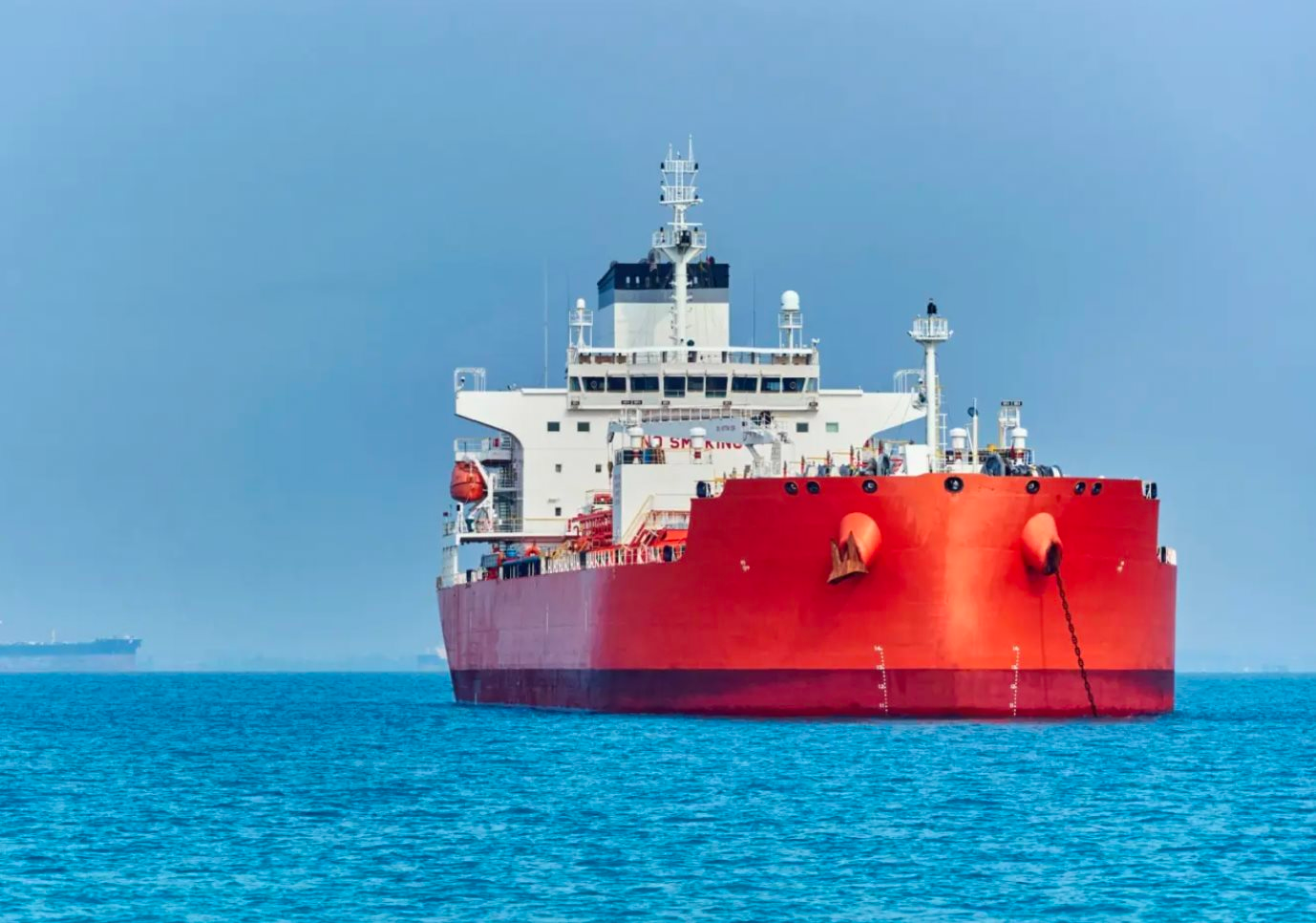
Tankers Change Course Mid-Journey
Shipping intelligence firms Kpler and Vortexa have detected unusual movements at sea.
Two tankers transporting Russia’s Urals crude, originally scheduled to head toward East Asia, suddenly altered course and sailed toward Indian ports instead.
-
The tanker Odune, carrying around 730,000 barrels, docked at Paradip Port on India’s east coast on March 4.
-
Another vessel, Matari, loaded with more than 700,000 barrels, was expected to arrive at Vadinar Port on March 5.
In total, roughly 1.4 million barrels of Russian oil were redirected to India within days. A third tanker, Indri, currently sailing in the Arabian Sea, has also reportedly changed its destination from Singapore to India.
The sudden course corrections appear far from accidental. They signal a shift in New Delhi’s strategy after weeks of limiting Russian oil purchases, a move widely seen as an effort to avoid straining trade negotiations with the United States.
The Hormuz Factor
India’s renewed interest in Russian crude is largely driven by concerns over supply security.
Nearly 40% of India’s oil imports pass through the Strait of Hormuz, one of the world’s most critical energy corridors. As conflict risks rise across the region, fears that the strait could be disrupted, or even temporarily closed, have intensified.
Any prolonged disruption would pose a serious threat to India’s energy supply.
Against that backdrop, Russian Urals crude has become an attractive alternative. Not only is it typically priced below global benchmarks, but it also offers a more predictable supply stream for Indian refineries looking to reduce reliance on Middle Eastern producers.
Sanctions and the “Shadow Fleet”
Buying Russian oil, however, comes with complications.
The three vessels involved - Odune, Matari, and Indri - were all sanctioned last year by authorities in the European Union and the United Kingdom. They are widely believed to be part of the so-called “shadow fleet,” a network of tankers used to transport Russian crude outside mainstream trading systems in order to bypass international restrictions.
Tracing ownership of these ships is notoriously difficult. Management companies linked to the vessels—often registered in places such as Azerbaijan or Hong Kong—frequently provide little public information or decline to respond to inquiries. The opaque structure reflects the increasingly complex channels through which energy trades between Moscow and New Delhi are being conducted.
A Strategic Calculation
India’s renewed purchases highlight a familiar reality in global energy politics: national interest and energy security often outweigh geopolitical pressure.
With the Middle East facing heightened instability, New Delhi appears to be taking a more pragmatic approach to securing fuel supplies for its rapidly growing economy.
Despite the legal and diplomatic risks, India’s message is becoming clear: in an increasingly uncertain world, diversifying supply sources and maintaining flexibility may be the only reliable strategy.
As geopolitical tensions continue to reshape trade routes and alliances, the global oil market is likely to see further unexpected shifts in the months ahead.
Source: Oilprice

 12/03/2026
Vietnamese Steel Faces High Preliminary Anti-Dumping Tariffs in U.S. Probe
05/03/2026
Middle East Conflict: The Growing Threat of Skyrocketing Shipping Costs
11/02/2026
Movanza Logistics 2025 Year End Party – Welcoming 2026

16/09/2025

